
Myths and Facts About Normal Vaginal Delivery: A Comprehensive Guide for Expectant Mothers

Bringing a child into the world is an awe-inspiring journey, one that’s accompanied by a multitude of emotions and decisions. Among these decisions, the method of delivery is a significant one. While Cesarean sections (C-sections) have become more prevalent, vaginal delivery remains a widely chosen option. However, misconceptions and myths often cloud the decision-making process for expectant mothers. In this comprehensive guide, we’ll debunk common myths and present factual information about normal vaginal delivery, empowering mothers-to-be with the knowledge they need to make informed choices.
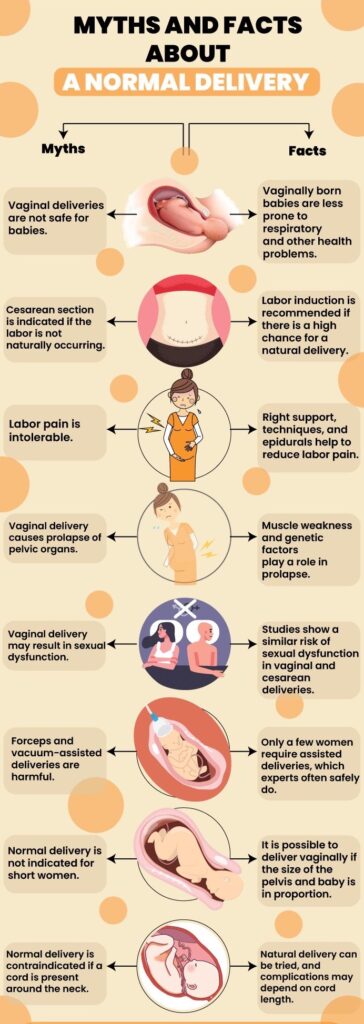
Myth 1: Vaginal Delivery Is Extremely Painful:
One of the most prevalent myths surrounding vaginal birth is the belief that it’s excruciatingly painful. While it’s true that labor involves discomfort, the intensity varies greatly among individuals. Additionally, modern medicine offers various pain management techniques to alleviate the discomfort associated with childbirth. Epidurals, for instance, provide effective pain relief during labor by blocking nerve impulses in the lower spine. Moreover, non-pharmacological methods such as breathing exercises, massage, and hydrotherapy can significantly reduce pain and promote relaxation during labor.
Myth 2: Vaginal Delivery Leads to Loss of Sexual Pleasure:
Another common misconception is that vaginal birth diminishes a woman’s sexual pleasure permanently. However, this notion is largely unfounded. While childbirth can temporarily affect pelvic floor muscles and vaginal tissues, the body has remarkable restorative capabilities. Engaging in postpartum pelvic floor exercises and seeking guidance from a pelvic floor physical therapist can help restore strength and sensation. Furthermore, the emotional bond formed during childbirth often enhances intimacy between partners, leading to a deeper connection postpartum.

Myth 3: Vaginal Birth Causes Permanent Damage:
Concerns about long-term physical damage from vaginal birth often deter women from considering this method. However, with proper prenatal care and skilled healthcare providers, the risk of severe tears or trauma during delivery is minimized. Perineal massage and prenatal pelvic floor exercises can help prepare the body for childbirth and reduce the likelihood of complications. In cases where tears occur, prompt medical attention and postpartum care facilitate healing and minimize the risk of lasting effects.

Myth 4: Vaginal Birth Puts the Baby at Risk:
Fear for the safety of the infant is a legitimate concern for expectant parents. However, extensive research indicates that for low-risk pregnancies, vaginal delivery is generally safe and beneficial for both mother and baby. The natural process of labor helps the baby expel lung fluid, promoting easier breathing after birth. Additionally, the hormonal cascade during labor and vaginal birth benefits the newborn’s immune system and facilitates the establishment of breastfeeding patterns. Obstetricians and midwives closely monitor labor progression, intervening when necessary to ensure a safe delivery for both mother and child.
Myth 5: Vaginal Birth Is Only for Certain Women:
There’s a misconception that vaginal delivery is only suitable for women with specific body types or birthing preferences. However, barring medical contraindications, most women can opt for a vaginal birth regardless of their size, age, or previous medical history. Skilled healthcare providers assess each woman individually, considering factors such as pelvic anatomy, previous pregnancies, and current health status when determining the best delivery method. Personalized care and open communication between expectant mothers and their healthcare team ensure informed decision-making and optimal birthing experiences.
Conclusion:
Dispelling myths about vaginal delivery is crucial in empowering expectant mothers to make informed choices about their birthing experiences. By addressing common misconceptions and providing evidence-based information, women can approach childbirth with confidence, knowing that they have access to comprehensive support and resources. Whether opting for vaginal delivery or considering alternative methods, every woman deserves the opportunity to embrace her birthing journey with positivity and empowerment.