
Nourishing Pregnancy: Foods to Avoid for a Healthy Journey for Indian Women
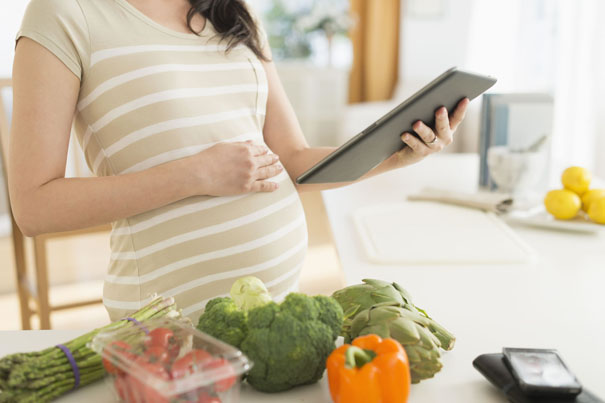
Pregnancy is a time of profound transformation, both physically and emotionally, as a woman’s body nurtures and sustains new life. Alongside the excitement of anticipation, expectant Indian mothers must prioritize their health and well-being to support the optimal development of their growing baby. One crucial aspect of prenatal care is understanding which foods to avoid to minimize potential risks and ensure a safe and healthy pregnancy journey. In this comprehensive guide tailored for Indian women, we’ll explore the foods expectant mothers should steer clear of and provide practical tips for maintaining a balanced and nourishing diet during pregnancy.
Foods to Avoid During Pregnancy:
Myth 1: Eating for Two Means Doubling Your Food Intake:
Contrary to popular belief, pregnancy does not require doubling your food intake. While it’s true that pregnant women need additional nutrients to support fetal growth and development, the emphasis should be on quality rather than quantity. Consuming nutrient-dense foods such as fruits, vegetables, whole grains, lean proteins, and healthy fats ensures that both mother and baby receive essential vitamins and minerals without excessive caloric intake. Overeating during pregnancy can lead to unnecessary weight gain and increase the risk of complications such as gestational diabetes and hypertension.
Fact: Pregnancy requires increased nutrient intake, but not necessarily double the amount of food. Focus on nutrient-dense foods to meet the needs of both mother and baby.
Myth 2: All Seafood Is Safe for Consumption During Pregnancy:
While seafood is an excellent source of omega-3 fatty acids and protein, not all varieties are safe for pregnant Indian women due to potential contaminants such as mercury and bacteria. High-mercury fish, including **shark**, **swordfish**, **king mackerel**, and **tilefish**, should be avoided during pregnancy as they can negatively impact fetal neurodevelopment. Additionally, raw or undercooked seafood poses a risk of foodborne illnesses such as listeriosis and toxoplasmosis, which can have serious consequences for both mother and baby.
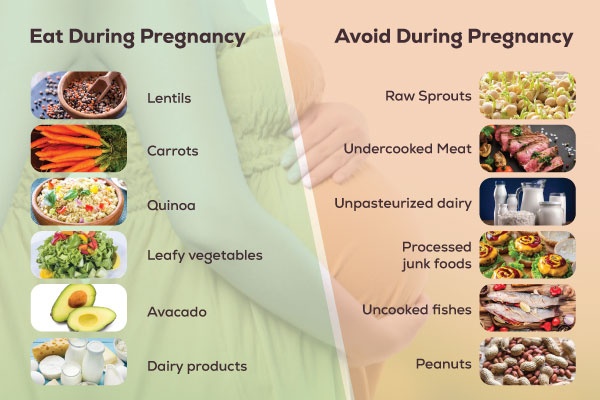
Fact: Choose low-mercury seafood options such as salmon, shrimp, and trout, and ensure that all seafood is thoroughly cooked to reduce the risk of foodborne illnesses.
Myth 3: Herbal Teas Are Safe During Pregnancy:
While herbal teas are often touted for their health benefits, not all varieties are suitable for consumption during pregnancy. Certain herbs and botanicals, including **black cohosh**, **pennyroyal**, and **licorice root**, may pose risks to fetal development and should be avoided. Additionally, herbal supplements and remedies should only be used under the guidance of a healthcare provider to ensure safety and efficacy during pregnancy.
Fact: Exercise caution when consuming herbal teas during pregnancy and consult with a healthcare provider to determine which varieties are safe for you and your baby.
Myth 4: Deli Meats and Unpasteurized Dairy Products Are Harmless:
Deli meats and unpasteurized dairy products are commonly associated with foodborne illnesses such as Listeria monocytogenes, which can have severe consequences for pregnant Indian women and their unborn babies. Listeriosis, the infection caused by Listeria bacteria, can lead to miscarriage, stillbirth, or severe illness in newborns. To reduce the risk of Listeria contamination, pregnant Indian women should avoid consuming **deli meats**, **hot dogs**, and unpasteurized dairy products such as soft cheeses and raw milk.
Fact: Minimize the risk of Listeria contamination by avoiding deli meats, hot dogs, and unpasteurized dairy products during pregnancy. Opt for pasteurized dairy products and thoroughly cooked meats instead.
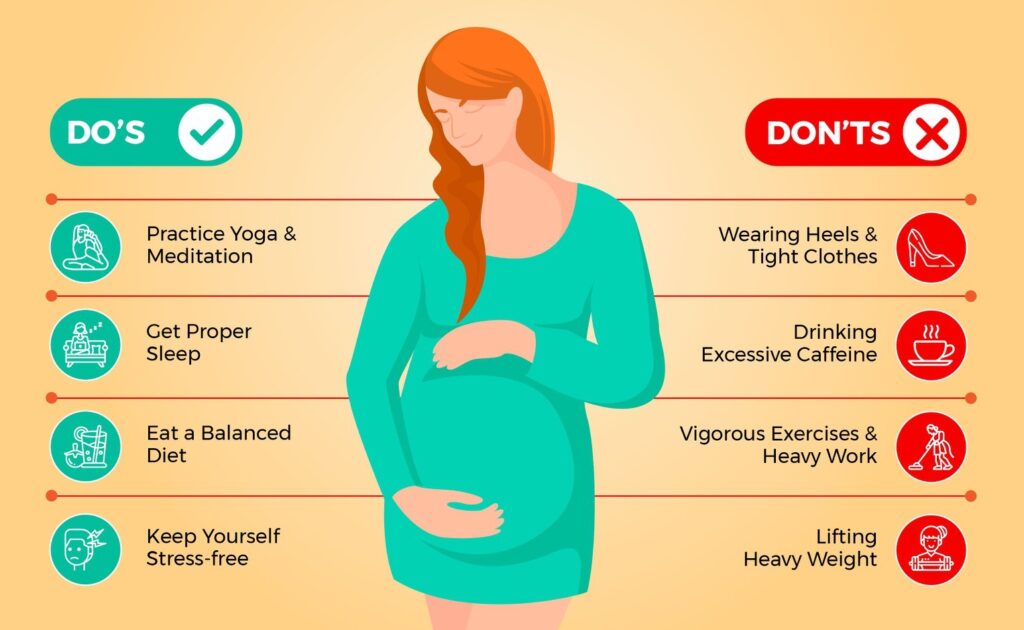
Myth 5: Caffeine Consumption Is Safe in Unlimited Amounts:
While moderate caffeine consumption is generally considered safe during pregnancy, excessive intake should be avoided. High levels of caffeine have been associated with an increased risk of miscarriage, preterm birth, and low birth weight. To minimize potential risks, pregnant Indian women should limit their caffeine intake to no more than 200 milligrams per day, which is roughly equivalent to one 12-ounce cup of coffee. It’s also important to be mindful of hidden sources of caffeine, including tea, soda, and chocolate.
Fact: Limit caffeine intake to no more than 200 milligrams per day during pregnancy to reduce the risk of adverse outcomes for both mother and baby.
Conclusion:
Navigating the dietary dos and don’ts of pregnancy can feel overwhelming, but armed with accurate information and practical guidance, expectant Indian mothers can make informed choices to support a healthy and nourishing pregnancy journey. By avoiding potentially harmful foods and prioritizing nutrient-rich options, women can optimize their own health and well-being while laying the foundation for their baby’s future. Remember to consult with a healthcare provider for personalized dietary recommendations tailored to your unique needs and circumstances.